顯示具有 DE patent 標籤的文章。 顯示所有文章

2024年12月13日 星期五

本篇涉及侵權審查的基本概念以及是否採用他國專利答辯歷史或主張的議題 - Caterpillar Tractor Corp. v. Berco, S.P.A. (Fed. Cir. 1983)

本篇討論多年前的經典案例,感謝同事提供參考資料,Caterpillar Tractor Corp. v. Berco, S.P.A., 714 F.2d 1110 (Fed. Cir. 1983),本篇標題就差不多是本案議題宗旨。

案件資訊:
原告/專利權人:Caterpillar Tractor Co. (Caterpillar)
被告:Berco, S.p.A. (Berco)
系爭專利:US3,841,718

案件背景:
Caterpillar對Berco等人提出侵權告訴,系爭專利'718涉及一種增強型密封環。被告承認其產品type 1侵權,但已經提出修改版的type 2,但是地方法院仍判定type 1與type 2都侵權成立,並發出禁制令。被告對type 2侵權成立判決提起上訴。


系爭專利claim 1如下,描述一種密封組件,內容有點複雜,在此不翻譯了。

1. A seal assembly comprising first and second axially spaced members mounted for relative rotation about a common axis, the first member having a counterbore formed in one face, the second member having an end face opposite the counterbore, a seal ring of tough abrasion resistant material having a crescent shape in cross-section disposed in the counterbore with the crescent shaped cross section defining an annular groove facing the sidewall of the counterbore, the seal ring including a driving flange engaged in non-rotative driving contact with the sidewall and an end wall of the counterbore at the juncture of these walls, a sealing flange engaged in annular face sealing rotative contact with the end face of the second member, the driving said sealing flanges being interconnected by a wall section of substantially thinner cross section than that of the flanges, the thin dimension imparting thereto a substantial lateral flexibility while retaining a torsional modulus characteristic of the tough abrasion resistant material, and a load ring of elastomeric material having substantial spring response characteristics, said load ring being disposed within the annular groove of the crescent shaped seal ring and engaging substantially the entire inner wall surface of the sealing flange and being axially compressed between the driving flange and the sealing flange, the interconnecting thin wall section having a resiliency and torsional modulus such that virtually all driving torque is transmitted from said driving flange to said seal flange therethrough, whereas virtually all of the seal flange face load is derived from compression of said load ring.

Claim 10描述一種在圓形空腔內的密封件:

10. A seal assembly in an annular cavity formed by first and second members which are subject to relative rotation, the first member forming the axially facing end wall and a radially facing sidewall of the cavity, the second member having an end face forming another axially facing end wall of the cavity opposite the one axially facing end wall, comprising a seal ring of tough abrasion-resistant material having a crescent shape in cross-section, the seal ring being disposed in the annular cavity with an annular groove of the crescent-shaped seal ring facing the sidewall of the cavity, the seal ring having a driving flange engaged in non-rotative driving contact with the sidewall and the one end wall of the cavity at the junction of these walls and a sealing flange engaged in face sealing rotative contact with the end face of the second member, the seal ring also having a thin-wall section connecting the flanges and providing a flexible hinge therebetween, and a load ring of resilient elastomeric material being disposed adjacent the sidewall of the first member and encompassed by the crescent-shaped cross-section of the seal ring and engaging substantially the entire inner wall surface of the sealing flange whereby the load ring is axially compressed between the driving flange and the sealing flange, axially acting forces for urging the sealing flange against the end wall of the second member and maintaining substantially constant sealing engagement therebetween are provided substantially by compression of the load ring.

在系爭專利專利審查過程中,先在1971年提出最早申請案 - 申請號116,157,審查委員對此申請案發出核駁理由,主要新穎性引證案為US3,390,922(這件後來也轉讓給Caterpillar),審查委員也提出112不明確的核駁意見,認為claim中用語"thin"不明確,因為沒有比較基礎、也沒有定義。

後來Caterpillar在1972年提出CIP申請案(申請號300,817),就補充"thin"的定義,後來1974年核准專利,即本次系爭專利 - US3,841,718。

案件進入CAFC:

經比對系爭專利範圍與被告Berco的產品,爭議在請求項中的幾段話,如claim 1中的「a wall section of substantially thinner cross section than that of the flanges . . . .」、claim 19的「the wall section being of thin cross-section relative to that of the ends. . . . .」,這兩段話是要界定"樞紐壁/hinge wall"有比其兩側凸緣(flange)更薄的截面。

被告侵權產品Berco的type 2產品的密封件的樞紐比密封凸緣(sealing flange)還薄,但是並沒有比驅動凸緣(driving flange)更薄。

因此在文義讀取的判斷上,Berco的type 2產品並沒有侵害系爭專利權(no literal infringement)。

於是原告Caterpillar就主張適用"均等論(doctrine of equivalents)",主張Berco的type 2產品以實質相同方法執行實際相同的功能以達成相同的結果("perform substantially the same function in substantially the same way to obtain the same result")。

經法院審理,認為Berco的type 2產品的密封件與系爭專利範圍有實質相同的結構,並以實質相同的方法產生實質相同的結果因此侵權判定適用均等論。(編按,但是,其中卻沒有任何記錄顯示較薄的驅動凸緣(driving flange)影響產品的運作或是得出的結果,也就是說,文義沒有讀取的特徵並沒有涉及均等論的判斷。)

針對以上均等論適用的決定,被告Berco主張「歷史禁反言/doctrine of file history estoppel」反擊。

針對claims 1, 19:

特別地,經查系爭專利'718中的claims 1, 19中包括了CIP案新增的特徵,法院認為過去的各種答辯歷史並不能全部套用,但明顯地,Caterpillar並沒有定義所述樞紐(hinge)的截面比其凸緣的一個還薄,並且也沒有相關的刪除與修正,也就是說,Caterpillar並沒有通過修正或是答辯影響關於其樞紐截面比所述兩種凸緣更薄的解釋,並沒有對此產生禁反言,因此專利範圍的解釋適用均等論,侵權成立。(法院澄清,針對112的修正並非是為了要區隔先前技術,因此並沒有產生歷史禁反言)

針對claim 10:

系爭專利claim 10中有句話:"a thinwall section connecting the flanges and providing a flexible hinge therebetween . . . .",法院判決claim 10直接讀入Berco的type 2產品,侵權成立。

針對以上claim 10侵權成立的判決,Berco等人主張"thin"沒有更薄的意思,不同於"thinner than the flanges"的解釋,但是法院否決,認為系爭專利'718說明書記載了何謂"thin",並描述相關實施例,因此法院不覺得"thin"不是沒有意義,因此仍判定侵權成立

(以上判決與論述都是侵權案例的經典,但仍有以下重點)

【本篇重點】
針對以上"打擊",敗訴的Berco等人就尋求原告Caterpillar的外國案、外國委任律師等針對其他對應外國專利的意見,如德國、英國,也就是希望利用本系爭專利在他國進行審查答辯時為了要區隔先前技術的主張來影響目前訴訟中的專利範圍解釋,然而,法院並不採用

其中一段話:
"Though no authority is cited for the proposition that instructions to foreign counsel and a representation to foreign patent offices should be considered, and the varying legal and procedural requirements for obtaining patent protection in foreign countries might render consideration of certain types of representations inappropriate, there is ample such authority in decisions of other courts and when such matters comprise relevant evidence they must be considered."

儘管沒有任何權威指出應考慮給當事人的外國(美國以外)律師或外國專利局的代表的指示(instruction),基於不同法律與程序要求取得的外國專利成為某種形式的考慮基礎並不恰當。不過,法院也沒有全然否決然而,在其他法院決定的權威下,若證據有相關性,仍應被考慮。(翻譯得不好,請見諒)

本案侵權成立(claims 1, 19均等論適用、claim 10文義侵害成立)。

my two cents:
以上侵權案例經典地涉及審查歷史、文義讀取、均等論,以及禁反言等議題。

本案例算是蠻久以前的案子,但是其中CIP產生的影響卻是頗為深刻,因為系爭專利為CIP案,很多針對其母案的審查歷史或是答辯的主張/限縮都可能不適用後續的CIP案(獨立請求項都有cip新增特徵),這倒是看到了CIP案的好處(雖然後來主流都不建議CIP申請案)。


Ron

2023年11月30日 星期四

LEGO專利資訊(來自insights by Greyb)

本篇資訊源自:https://insights.greyb.com/

本部落格過去有關Lego的報導僅一篇(功能性外觀不能取得商標(之二) - 樂高積木歐洲商標爭議(https://enpan.blogspot.com/2016/11/blog-post_29.html)),太少了,剛好聽廣播聽到有關Lego行銷的書, 行銷策略中很重要的一環就是「專利佈局」。

1932年Ole Kirk Christiansen於丹麥創立Lego公司,從Insights(https://insights.greyb.com/)找到Lego專利狀態(更新到2023年,https://insights.greyb.com/lego-patents/):LEGO專利至今全球有3394件專利,分屬1057個專利家族,獲准的有2808件,2295件為有效狀態,占67%,布局國家最多是美國,其次是日本與中國(報導說台灣有4件專利,但...我找不到),丹麥是主要研發中心。

從文中統計分布圖來看,歷年Lego申請量高高低低,多數整年低到不到100件申請案,有些年也會衝到300件以上。

特別地,報導中最有用的資訊就是(就專利人而言)10大(指被引用最多次的專利(應該是專利引用專利))LEGO專利(右方是引用次數):

US6353170B1 269
WO2016075081A1 200
US6585553B1 119
US20070262984A1 113
US6736691B1 99
US7708615B2 93
US6461215B1 92
US7596473B2 91
US6939192B1 90
US8753164B2 87

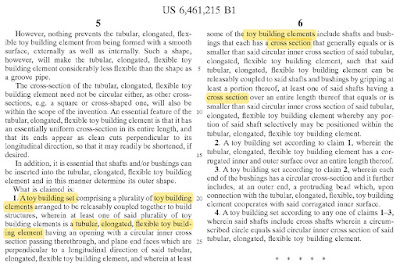
本文有趣的資訊很多,例如,提到美國專利局引用42件樂高專利做出187件核駁意見,引證最多次的LEGO專利是US10213692B2,與上述被其他公司引用的專不同,但仍有不少是重疊的,如US20070262984、US6736691、US6461215、US7596473、US6939192,以及US8753164,這樣交叉分析就可找到Lego重要的專利,其中最早的也過期的US6461215如下:


Leog當然有競爭者,特別是一些經典的專利過期之後,小朋友從小到大會接觸到的"非樂高"的有趣積木很多,夜市逛逛也很多很像樂高的玩具,品質不一,很多表面看來不錯,結果玩一下就丟了,品質公認還是樂高好。

從Google Patents找樂高(用專利權人Lego AS搜尋),最早的專利公告於1966-04-28的德國專利DE1215353B,其中描述的是製作樂高積木的注塑機;其次是本部落格第一次提到"丹麥專利"的專利 - DK112294B,其描述樂高積木某個元件;接著是丹麥專利DK116117B,也是積木的某個元件。

過濾出美國專利,申請人似乎是改為Interlego A.G.,如1991-01-29的US4988322:


Ron

2023年5月29日 星期一

在德國附屬請求項的訴訟議題筆記

本篇內容來源:https://www.taylorwessing.com/en/insights-and-events/insights/2022/09/asserting-dependent-claims-in-german-patent-infringement-proceedings

之前也有一篇討論:附屬請求項的侵權議題 - 筆記(https://enpan.blogspot.com/2023/03/blog-post_30.html

---Asserting dependent claims in German patent infringement proceedings---

本篇內容是德國律師的專文,剛好爬文看到的,開宗明義就說,在德國的侵權訴訟原告僅會主張專利中獨立請求項的權利,附屬專利範圍不會用來要求禁令或是權利主張上。這也與附屬請求項的本質相關,獨立請求項範圍總是涵蓋其附屬項範圍的,基本上沒有需要主張附屬請求項權利。

附屬請求項的用途僅會在專利無效議題中出現,當專利面對無效程序,附屬請求項常常是專利權人的救贖之一,專利範圍相對小的附屬請求項的特徵也可能在訴訟中面臨無效議題時,用來說服法官專利有效的內容。

附屬請求項可以成為要求更廣的禁令與降低訴訟風險之間取得權衡(trade-off),特別可以讓原告在訴訟口審程序中決定要以獨立請求項或是用較窄範圍的附屬請求項作為權利主張。

主張附屬請求項權利的理由主要是可以避免獨立請求項可能被無效而導致訴訟撤銷的問題,但是,這裡提醒,若專利權人“僅”以附屬請求項提出侵權訴訟,對於法院而言,這可能有“示弱”的問題。

這裡也提到主張附屬請求項權利的時機點的問題,也就是說,訴訟一開始以獨立請求項當作訴訟標的,當專利權受到質疑時,避免訴訟被撤銷,可以適時納入附屬請求項作為主張。

根據判例,在專利無效程序中,可以提出多個request,而附屬請求項總是可以作為輔助的請求(auxiliary request)。

在此一提的是,侵權訴訟中,僅被告可以通過專利無效程序停止侵權訴訟,面臨考驗時,附屬請求項可以有不錯的角色。

曾有案例是,被告產品對系爭專利的獨立與附屬請求項皆判侵權成立,隨後被告“僅”對系爭專利的獨立請求項提出無效訴訟,獨立請求項最後被判無效,但卻又要對附屬請求項提出第二次無效訴訟,這時已經拖延到延遲程序,可能影響訴訟結果。

Ron

2021年10月26日 星期二

德國異議與無效制度筆記

找「德國無效制度/revocation/invalidation」資料時,發現這個很厲害圖文並茂的報告(時間:2019年10月),配合一些網路資訊,特別是德國智財局官網,在此筆記。

英文版德國智財局網站:https://www.dpma.de/english/index.html

opposition/revocation(這兩個程序區分點是德國專利核准公告後9個月):https://www.dpma.de/english/patents/opposition_and_revocation/index.html

異議、無效與限制程序的指導方針:https://www.dpma.de/docs/english/formulare/patent_eng/p2797_1.pdf

關於「Opposition and Revocation」,任何一人可以在專利核准公告後9個月內提起異議(opposition),如果在此期限內有任何一方提起異議,專利將具有法定權利,可擁有從申請日起20年專利期限。

若有人提起異議,德國專利局(DPMA)組委員會針對異議理由重審專利,結果可以是維持專利核准決定、修正後核准,或是被撤銷。

任一方可對異議決定提起上訴,由德國聯邦專利法院審理。然而,若非公告後9個月提起異議,任何人在專利有效的任何時間仍可對已經公告核准的專利提起無效撤銷(revocation),並且直接由德國聯邦法院進行審理

異議理由可以是:(1)缺乏專利性;(2)缺乏可行性;(3)相對說明書有不當擴張的問題;(4)由利害關係人提起發明被篡奪的主張;(5)專利範圍的擴張。
lack of patentability 
- lack of ability to be carried out 
- inadmissible extension of the patent’s subject matter in comparison to the application’s version 
- usurpation of the invention (may only be claimed by the aggrieved party) 
- extension of the patent’s scope of protection

Section 81(1)(2) of the Patent Act:
(1)專利無效程序,或補充保護認證(supplementary protection certificate)的無效程序,由法院受理,訴訟直接對上專利權人,法院將依照證據審理。
(2)若異議程序仍在審理中,不能提起無效程序。

"(1) Proceedings for revocation of the patent or invalidity of the supplementary protection certificate, or on account of the grant or withdrawal of the compulsory licence, or on account of the adjustment of the remuneration for a compulsory licence determined by court judgment shall be initiated by filing an action. The action shall be directed against the proprietor of the patent entered in the Register or against the holder of the compulsory licence. An action against the supplementary protection certificate may be consolidated with an action against the patent on which it is based and may also be based on the fact that there is a ground for revocation (section 22) of the patent on which it is based.
 
(2) An action for revocation of a patent cannot be filed as long as a notice of opposition can still be filed or opposition proceedings are still pending. An action for the declaration of invalidity of the supplementary protection certificate cannot be filed in so far as requests in accordance with section 49a (4) can be filed or proceedings for a decision on these requests are pending."

(編按,所謂補充保護認證(supplementary protection certificate,SPC)是針對商品與對應專利的連結認證,也是一種專利標示的概念)

在此一提的是,其實也是本篇筆記的起源,就是「費用」,或是有任何「補償/賠償費用」,可參考:異議與無效指導方針中的「9.5.2 Decision on costs, reimbursement of opposition fee」規定:

關於費用,一般正常的情況是,訴訟雙方各自負擔自己的訴訟費用,但是若是異議人的風險是,如果異議全部或部分失敗,可能會有懲罰性的費用("The imposition of costs may even be considered in the event that the opposition is withdrawn in full or in part or the patent is surrendered, section 62 (1) sentence 2 of the Patent Act)")。(編按,這點可能是要避免濫訴,並且還有許多費用相關的細節規定,如負擔勝方的差旅費,甚至還能向行政機關索取賠償之類的。欲知詳情,請見相關指導方針細節)

TIPO材料:

處理爭議案的法院架構,特別的是,當爭議案的無效爭議"可直接向法院提起告訴"。

這個流程是針對"異議(opposition)"程序,重點在下半部,專利申請案被否決時,可上訴聯邦專利法院,專利被異議撤銷或異議不成立,亦上訴聯邦專立法院。


德國"發明"專利無效制度:很明顯地,如以上爬文的理解,異議程序會先經專利商標局,之後可上訴聯邦專利法院,而無效/舉發程序則直接由法院審理。異議與無效程序為二審制,侵權訴訟為三審,經地方法院、高等法院到聯邦最高法院。

德國新型無效為另一套流程:無效舉發先通過專利商標局,之後再進聯邦專利法院,理由應該是德國新型是登記制度有關,需要在專利局先"審查"吧。另外,面對發明專利無效,專利權人可以不答辯,讓程序繼續;但面對新型無效,若專利權人不答辯,直接撤銷專利權。

設計專利(在德國是登記制)無效制度,像新型的制度:

2021年6月30日 星期三

歐洲法院判決網站不見得要對非法上傳內容負責 - Peterson v. Google (CJEU)

一般理解的是,如Youtube這類開放使用者上傳影音內容的影音平台,接受任何上傳內容並分享給公眾,可能無法在第一時間判斷上傳內容是否為非法(非授權)上傳,然後以人工或電腦科技分析這些上傳內容,才能正確判斷是否為非授權上傳的內容。

當非法上傳的影音內容通過影音平台傳播給公眾,此影音平台是否要擔負侵權責任,這就是本篇討論的重點。

本篇討論歐盟法院(Court of Justice of the European Union (CJEU))(https://europa.eu/european-union/about-eu/institutions-bodies/court-justice_en)於6/22/2021作出的判決,CJEU案件資訊,共兩案:

原告:Frank Peterson
被告:Google LLC, YouTube Inc., YouTube LLC, Google Germany GmbH
原告:Elsevier Inc.
被告:Cyando AG

德國階段:

故事(本篇僅針對Frank Peterson v. Youtube案討論):
其中原告Frank Peterson為音樂創作者,公司Nemo Studio負責人,被告Youtube為著名影音平台,讓使用者可以免費上傳內容,並散布於網路上,Google是老闆。值得一提的是,Frank Peterson與知名音樂家Sarah Brightman(莎拉布萊曼)簽約取得其影音內容的使用權,還進一步取得Capitol Records公司對Sarah Brightman散布所有錄音的專屬授權。


其中包括一個2008年巡迴錄音專輯「A Winter Symphony」,Frank Peterson在同年發現這個專輯內容竟然可以從Youtube看到,之後把畫面抓下後聯繫德國Google,要求發布停止與懲罰聲明,經告知Youtube後,各方對於是否阻止影音散布產生歧異

Frank Peterson於是上告德國漢堡地方法院Landgericht Hamburg),要求對Google/Youtube發出禁令,並損害賠償,但被駁回。

Frank Peterson再上訴漢堡高等地方法院(Oberlandesgericht Hamburg (Higher Regional Court, Hamburg, Germany))。在2015年判決中,高等法院駁回部分地院判決,駁回的部分是要求被告組織侵權第三方上傳內容被公開散布,以及阻止相關連結內容與廣告,還要求被告提交上傳侵權內容的人名與住址

但判決中也表示,影音平台Youtube並不需要"立即"針對其提供的服務負責,僅需要在正確的時間阻止相關侵權行為。

"By contrast, YouTube had not infringed any conduct obligations in respect of the recordings of the ‘Symphony Tour’ concerts. It is true that the videos featuring those musical works were unlawfully posted by third parties on the video-sharing platform. However, YouTube either did not have sufficient information about those infringements, or blocked access to the content in question in good time or, in certain cases, could not be accused of having infringed the obligation to block that content immediately."

畢竟原告的目標應該是大咖-Youtube/Google,案件繼續上訴,進入The Bundesgerichtshof (德國聯邦法院,Federal Court of Justice, Germany),原告Frank Peterson主張Youtube知道有侵權內容時並未立即移除或阻止散布。就法院而言,如Youtube等地影音平台立場應該是中立的,並非主動的角色。在以下列舉的"著作權法(Copyright Directive)",著作權人並無法對Youtube等提供影音分享的平台提出禁令(即便Youtube會因為任何上傳影音獲利),除非影音平台清楚知道侵權行為後又不做出立即的措施(移除或阻止散布)以確保侵權行為不再發生。

簡單來說,就德國各級法院來看,提供影音分享的平台並不自動擔負侵權責任,但是,對已知侵權行為必須做出適當的補救措施,否則也應擔負賠償責任。

"In the view of that court, that question should be answered in the affirmative, since it follows from Article 14(1) and Article 15(1) of the Directive on Electronic Commerce that an injunction against such an operator may be provided for under the national law of the Member States only where that operator has actual knowledge of the illegal activity or information."

歐洲階段:

根據歐洲法院判決,依循德國法院判決,影音平台並非自動對非法上傳的影音內容負責,然而需要有適當的措施避免這類問題,否則仍需要負責,或是發現為非法影音卻未立即處理者,仍要負責。

相關"Copyright Directive":

Article 3(1) of that directive, that article being headed ‘Right of communication to the public of works and right of making available to the public other subject matter’, provides: 
Member States shall provide authors with the exclusive right to authorise or prohibit any communication to the public of their works, by wire or wireless means, including the making available to the public of their works in such a way that members of the public may access them from a place and at a time individually chosen by them.
(歐洲會員國應提供著作者獨佔權利,並可禁止他人公共傳播)

3.Article 8(3) of Directive 2001/29 must be interpreted as not precluding a situation under national law whereby a copyright holder or the holder of a related right may not obtain an injunction against an intermediary whose service has been used by a third party to infringe his or her right, that intermediary having had no knowledge or awareness of that infringement, within the meaning of Article 14(1)(a) of Directive 2000/31, unless, before court proceedings are commenced, that infringement has first been notified to that intermediary and the latter has failed to intervene expeditiously in order to remove the content in question or to block access to it and to ensure that such infringements do not recur. It is, however, for the national courts to satisfy themselves, when applying such a condition, that that condition does not result in the actual cessation of the infringement being delayed in such a way as to cause disproportionate damage to the rightholder.
(根據國內法,當中間人(如影音平台)不知或沒有意識到侵權行為時,著作權人可能不能對被侵害其權利的第三方使用的中間人發出禁令除非此中間人在被告知有侵權內容時又不去移除或是阻止公眾存取侵權內容。如果以上措施延遲,將未造成權利人不成比例的損害。)

編按,判決中討論不少法律議題,但都圍繞在上述有關Youtube等影音平台的責任與義務,但有興趣的應該去看看判決文。

CJEU判決:


新聞:


Ron

2019年5月21日 星期二

「衝突申請案」筆記

前言:
德國新型專利是採「相對新穎性」,要撤銷德國新型專利,要用「德國國內」的先前公開使用的證據。

「德國發明案」採「絕對新穎性」,除非是「相同發明」,否則先前技術需要是發明案申請前「已公開」,如此,以下兩種情況的新型A的「公告日」都晚於發明案B的申請日,因此都不會是發明案B的先前技術。


令人最嘔的是,明明就是我先送件,只是比他人的申請案晚公開,就因此不能把他人的申請案打掉嗎?

這種狀況稱為「secret prior art」,也就是尚未公開的「衝突」前案:earlier filed but later published applications (“conflicting applications”)。

---------------------------
EPO的衝突申請案(Potentially conflicting European and international applications):https://www.epo.org/law-practice/legal-texts/html/guidelines/e/b_vi_4_1.htm

情況一:所謂「衝突申請案」,可能會發生的情況是在「申請日/優先權日後18個月公開」進行檢索時,可能會忽略一些“潛在”尚未早期公開的前案

情況二:文件"E"("E" documents),這是一種相對一申請案來說為"申請在前但公開在後"的"前案",當此前案涵蓋申請案中至少一個申請專利範圍時,且僅用以新穎性比對(擬制新穎性),稱文件"E"。


衝突申請案是一種相對申請案來說"申請在前但公開在後"的前申請案,對「First to Invent專利系統」形成一種「秘密前案」,但對「First to File專利系統」而言,不會成為"前案",參考資料(重要):
https://dcc.com/app/uploads/2018/10/Article-The-problem-with-secret-prior-art.pdf(分析First to Invent系統與First to FILE系統)

(補充:雖然美國捨棄First to Invent系統,所形成的「first inventor to file」系統對於衝突申請案來說,仍採用了過去First to Invent的概念,就是申請在前公開在後的前申請案就是"前案/秘密前案")

EPO採用「“whole of contents novelty” approach」處理"衝突申請案",也就是衝突前案的說明書內容適用為「新穎性」的前案,可稱為「擬制新穎性」,並不是看前後案是否有重複專利,也不用等到後申請案專利範圍確定後。

補充:在美國,這類「衝突前案」可用於引證審理新穎性與非顯而易見性,這個原則不適用其他First to File的系統中。

(重要:即便美國改革法案AIA施行,但其中提供grace period的法條仍是First to Invent的概念)"Under the AIA not only are earlier filed but later published applications considered relevant for the assessment of both inventive step and novelty, as in the old first to invent system, but the grace period provisions included in Section 102(b)(1)(B) and (2)(B) also appear to import first to invent principles. "

面對上述「申請在前公開在後」的前申請案,後申請案應排除前申請案核准的專利範圍。然而,如果前申請案或專利被捨棄,或修正移除重複的範圍,就不能排除核准後申請案專利。這些原則適用法國、德國、EPC、澳洲、紐西蘭與印度。

"According to this prior claiming approach, the later applicant was required to subtract from their claims subject matter claimed in a patent granted on an earlier application. However, if the earlier application or patent was abandoned, or the claims amended to remove the overlap, there was nothing to prevent the full scope of protection being granted to the later applicant. This type of prior claiming approach to the assessment of conflicting applications was also applied in France and Germany up until the commencement of the European Patent Convention (EPC). The same approach was also used by other countries such as Australia, New Zealand and India."

---------------------------

德國專利性不錯的參考資料:
https://www.lexology.com/library/detail.aspx?g=9a1595b2-b3b8-456b-a3c3-f8e2a3f930e3

德國專利局:https://www.dpma.de/
英文版:https://www.dpma.de/english/index.html

官方資訊:
Examination and Grant
https://www.dpma.de/english/patents/examination_and_grant/index.html

Opposition and Revocation
https://www.dpma.de/english/patents/opposition_and_revocation/index.html

Ron

2018年4月3日 星期二

德國禁制令介紹

筆記

德國禁制令介紹

禁制令一般有兩種:初步禁制令(preliminary injunction,緊急措施),以及永久禁制令(permanent injunction)。

其中初步禁制令適用各種智慧財產權侵權案件,如著作權、商標、設計、新型與發明專利等,在德國是一個侵權成立時的緊急措施,快速、彈性而省錢的措施,一般也可能會要求在提出禁制令請求前已經「告知(警告信)」被告,法院審理禁制令請求時,會執行口頭審理,考量被告聲明與答辯內容。

禁制令可能在提出侵權主張幾天內就會決定,但不適用需要長時間進行法律訴訟的情況。因此不容易適用「專利侵權」這類需要嚴肅與長時間判斷的侵權議題上。若要在專利侵權議題上行使禁制令,專利權需要有證據證明足夠有效以及侵權有理。

在德國智慧財產權實務上,對侵權產品作出初步禁制令(Preliminary injunction)是一種重要的暫時(緊急)補償制度,能在侵權審理期間避免侵權行為擴大造成權利人損失的措施,不過這種措施卻可能遭受濫用(不明確的問題包括:發明、新型專利的專利性、侵權是否成立等),產生事實上沒有侵權而誤判的商業措施,導致不公平競爭。

在德國,一旦發出初步禁制令,被告不能對此禁令進行上訴(聯邦法院、或最高法院),所以告訴人在此短時間內需要證實足夠的侵權事實,因此專家證詞在此階段十分重要。

作出禁制令的一般知識(要求):
- 法院在此階段通常會認定專利有效;
- 如果被告主張專利無效,那是另一個程序;
- 有足夠的證據;
- 要證明為緊急事件;
- 如果發現提告人濫用,將被駁回;
- 專利權人應於發現侵權行為後短時間(約一個月,但無規定)內提出請求,否則不會被認定緊急(如以下案例)。

法院應即刻判斷專利性,如果對專利權有疑慮時:
德國杜賽爾多夫上級地方法院(Dusseldorf Upper District Court)日前對案例作出一個清楚的判斷(不過這是個案),也就是在法院階段判斷專利的專利性時,法官(專家)應以專利審查委員的角度審視專利性,對此案例作出專利有效的決定,避免作出決定後,日後又被翻盤。

另,智慧財產權(專利)人可以主張永久禁制令,這是在正式法院程序(侵權訴訟)下才會發布的禁制令,法院判決永久禁制令的判斷因素有:

(1)專利權人(原告)已經遭受無法彌補的損害;
(2)一般法律上的補救措施不足以彌補這個損害;
(3)考量原告與被告的平衡後,認為透過初步禁制令作為補救為必要;
(4)以永久禁制令(permanent injunction)不會損害公共利益。

參考資料如下:
http://enpan.blogspot.tw/2014/08/blog-post_19.html
http://limegreenip.hoganlovells.com/article/127/preliminary-injunctions-preliminary-injunctions-germany
https://www.lexology.com/library/detail.aspx?g=b12d6f05-d05a-47fc-b7b0-e6c3dcfd1aaa(本篇資訊十分豐富,可以細讀)

過去的報導:
德國初步禁制令(http://enpan.blogspot.tw/2014/08/blog-post_19.html

Ron

2017年12月22日 星期五

EPC會員國的Case Law線上資料庫 - 附帶自然律可專利性討論

EPO公佈EPC會員國的Case Law(判例,地區性的)線上資料庫:http://www.epo.org/law-practice/legal-texts/official-journal/2017/etc/se6.html

在各種議題上以多國語言公開,如德語、英語與法語:


有八大議題:
http://www.epo.org/law-practice/legal-texts/official-journal/2017/etc/se6/2017-se6.pdf

(A)可專利性
(B)新穎性
(C)進步性
(D)足夠的揭露
(E)申請專利範圍
(F)優先權
(G)體制議題
(H)歐洲專利受制於訴訟議題


從其中「可專利性」議題的第一個案例為例,此為一件有關「發現(discovery)」的「可專利性」案例。

聯邦法院案號:Federal Court of Justice, 19 January 2016 (X ZR 141/13)
歐洲專利號:EP0959132


Claims:


此專利關於「用於編碼受體型蛋白激酶的核酸」的"發現",這是用於檢測基因突變的核酸,可用以診斷白血病疾病。這個重要的「發現」被法院(Federal Court of Justice, 19 January 2016 (X ZR 141/13))認定為可專利標的,撤回無效意見

"The Court dismissed the objection that this was a non-patentable discovery."

「可專利性」議題自然是涉及EPC Art. 52(2)(a)規定發現、科學理論與數學方法不屬於可專利的標的

Article 52 Patentable inventions
(1)
European patents shall be granted for any inventions, in all fields of technology, provided that they are new, involve an inventive step and are susceptible of industrial application. 
(2)
The following in particular shall not be regarded as inventions within the meaning of paragraph 1:
(a)
discoveries, scientific theories and mathematical methods
(b)
aesthetic creations; 
(c)
schemes, rules and methods for performing mental acts, playing games or doing business, and programs for computers; 
(d)
presentations of information. 
(3)
Paragraph 2 shall exclude the patentability of the subject-matter or activities referred to therein only to the extent to which a European patent application or European patent relates to such subject-matter or activities as such.

這裡也蠻有趣的,德國聯邦法院決定中(刻意區隔美國最高法院Mayo判例(US Supreme Court (in 566 U.S. (2012) – Mayo v Prometheu),以下有一些摘要),教示「以技術行為(technical act)使用"發現(discovery)"達成特定目的」,在歐洲與德國是可專利的,不論是否此"教示"包括了「進步性的附加價值(inventive added value)」以及超越使用自然發生的"發現"。

這個法院判決的"教示"有理可循,就是他們認為任何技術行為都是基於有目的地使用自然定律「(After all, any technical act was based on the purposeful use of laws of nature.)」。

因此評估這類發明的進步性時,就要探討相對於其技術背景的人員而言,技術背後的物理、化學或生物方法是否為顯而易見

就此案例而言,法院(歐洲與德國都這樣想)認為並沒有因為申請專利範圍中提出「nucleic acid molecule(核酸分子」為不可專利,也就是並非因為申請專利範圍中具有「簡單的發現」而被認定是不可專利標的,反而是要考量當中是否揭露了如何達成的技術特徵。

法院在此案例中認為,上訴人/原告(claimant)錯誤地爭辯其中通過技術程序分離或產生的序列"必須"是識別的特徵,法院矯正這個說法,認為系爭專利本質上表徵了"通過技術程序"提供了特定事物的"受保護的技術教示"("inherently characterised the protected technical teaching of providing that particular thing (by means of a technical process)"),即此案系爭專利本質上是提供了技術性的內容,仍為受專利保護的發明

[相關法條] 
EPC Rule 29(2)十分明確地表達在歐洲/德國,有關人類基因序列的技術為可專利,即便其中結構與自然一樣。如此可知,是否具有新穎性與進步性的技術特徵才是重點


Rule 29 The human body and its elements
(1)
The human body, at the various stages of its formation and development, and the simple discovery of one of its elements, including the sequence or partial sequence of a gene, cannot constitute patentable inventions. 
(2)
An element isolated from the human body or otherwise produced by means of a technical process, including the sequence or partial sequence of a gene, may constitute a patentable invention, even if the structure of that element is identical to that of a natural element. 
(3)
The industrial application of a sequence or a partial sequence of a gene must be disclosed in the patent application. 

-----------------------------------------------------------------------
補充:順便摘要一下這裡提到的美國最高法院判例:使用自然律的技術可專利性討論 - Mayo Collaborative Services v. Prometheus Laboratories, Inc. 2012)(http://enpan.blogspot.tw/2015/10/mayo-collaborative-services-v.html

(重要)這個有名的Mayo案例相對目前歐洲對於使用自然"發現"的可專利性的態度相對"保守",認為自然律不可專利但是也指出這類"發現"的可專利機會

"雖自然律、自然現象與抽象概念為非101可專利標的,但相關結構或程序仍可以受到專利保護,但是,若要轉換不可專利的自然律到可專利標的時,專利應提出超過自然律更多的技術特徵/元件。"

(編按,本來是討論歐洲專利議題,想要脫離一下美國,不過還是會牽扯到美國案例,難怪本部落格的美國專利相關話題(tag)一直是最多的)
-----------------------------------------------------------------------

my two cents:
其實看案例可以讓「專利」這個視野更廣,只是不曉得有沒有甚麼意義就是了!

隨便調一兩個檔案來看,都會看到有興趣的資料,只是礙於時間有限,不容易都看。

Ron

2017年11月28日 星期二

德國專利訴訟中的修正筆記

筆記來源:
文章一:http://patentblog.kluweriplaw.com/2010/12/30/restriction-of-patent-claims-in-german-infringement-proceedings/

文章二:http://patentblog.kluweriplaw.com/2010/09/30/of-mice-and-elephants/?_ga=2.234906433.1909054939.1511831266-1432257240.1511430954

本篇是在找相關修正資料的時候發現的文章,用白話文來說,就是「在德國進行專利侵權的訴訟程序中,如果同時又有專利無效訴訟,怎麼辦?」,是不錯的議題。

大家已知,專利侵權訴訟是基於一個有效的專利範圍,如果專利範圍在另一個平行的無效訴訟中被修改,變得不是原本公告獲准的專利範圍,根據德國聯邦法院(German Federal Court,德文是:Bundesgerichtshof,簡稱BGH)的議決,也獲得杜塞爾多夫上訴法院(Duesseldorf Court of Appeal)的確認,重點一:即便在無效法庭的上訴程序中,還讓專利權人在侵權訴訟中修改專利範圍

如此,即便程序還懸宕在無效法庭上,仍讓專利權人可以依照被修改(限縮,比原本獲准較寬的範圍更窄的範圍)的專利範圍提出侵權告訴

所述較為限縮的專利範圍應該是在無效法庭的審理中所修改的,是否原本的專利侵權訴訟要等待無效法庭的專利有效性決定?

本文(文章一)提到,德國專利訴訟實務上,通常使用較為嚴謹的標準,也就會等待無效法庭的決定,如果無效審理中的專利沒有合理的理由可以維持專利權(反過來說,就是無效訴訟出現厲害的無效理由或是先前技術),專利侵權訴訟就會被擱置

在專利侵權審理中,即便專利權人以較為限縮的專利範圍提出告訴,侵權訴訟法庭仍會確認是否這樣的範圍會被無效程序認同

再來是「解釋專利範圍」,即便申請專利範圍文字沒變,對於專利權人而言,在侵權訴訟中專利範圍解釋可能會與無效程序不同,合理可知,在侵權訴訟中會解釋較廣範圍(大象),在無效訴訟中又會以較為限制的方式解釋專利範圍(老鼠),以確保專利權。這個衝突問題,可見於文章二。

第二篇文章(文章二)討論德國聯邦法院怎麼解決專利權人在此雙軌制法院系統(bifurcated patent litigation system)的兩個法庭提出不同的專利範圍解釋的問題!

這裡提到在德國法院判例中,已經建立在侵權訴訟與無效程序的專利範圍解釋必須一致的原則,就是從制度面解決,重點二:德國聯邦法院(BGH)同時為侵權訴訟與無效訴訟的上訴法院

在無效訴訟時,上訴BGH一般可被允許,但在侵權訴訟中,需要被上訴法院或是BGH同意才行。這個問題也經過修法解決,當爭議涉及專利範圍解釋的差異:兩個法庭有不同的解釋,如此,兩個法院將允許上訴請求。上訴決定如果是基於錯誤的專利範圍解釋,將不允許上訴。

重點三:只要在無效訴訟中有足以成功的期待,德國聯邦法院(BGH)將同意擱置侵權訴訟,等待無效決定

重點四:德國聯邦法院同意在與無效法庭中解釋專利範圍不同時,可以無效訴訟中修改後(較窄)的專利範圍繼續專利侵權訴訟程序

重點五:如果無效法庭決定可維持專利權的專利範圍與侵權訴訟結果所依據的專利範圍不一致(不協調),BGH將駁回侵權訴訟決定,或是發回依照無效法庭決定的範圍重審

my two cents:
從本篇來看,雖然我沒有實務經驗,但可知道在德國面對侵權訴訟時,其雙軌制(bifurcated litigation system)讓被告可以另外提起無效訴訟,應該可以有效延宕侵權訴訟程序。

另外,也不容許專利權人在兩個法院有不同的態度,兩邊解釋專利範圍上訴到聯邦法院後將趨於一致。

其他參考資料:
德國法院系統(筆記)(http://enpan.blogspot.tw/2014/09/blog-post_10.html

Ron

2017年8月22日 星期二

在歐洲實施標準且關鍵專利(筆記)

在2015年,歐盟法院(CJEU)發布一個有關在不違反歐洲反托辣斯法的標準且關鍵專利(SEP)如何主張權利的判決,在歐洲「反對托辣斯/權利壟斷」的整體氛圍下,如何主張標準且關鍵專利權(standard essential patent,下稱SEP),顯得格外重要。

原則上,擁有標準且關鍵專利的專利權人有義務在公平、合理且無歧視(fair, reasonable and nondiscriminatory (FRAND))的原則下授權給他人使用,且事先應該訂定FRAND授權合約。但是,即便如此,仍有許多細節尚待解答,其他歐洲會員國如何實現這個歐盟法院的決定,本篇就通過Q&A來解答一些問題(筆記)

(請注意,以下Q&A是針對SEP專利相關議題,可能不是適用一般專利侵權上)

Q.何時可以允許專利權人以SEP專利對某公司提出侵權告訴?
ANS:
根據CJEU認為在授權協調前主張損害賠償並不是濫用權利,也就是說,SEP專利權人可以隨時主張專利權,但是,若SEP專利權人不依照CJEU的步驟,則僅能主張「禁令(injunction)」或是「銷毀侵權物」。然而,這常常不見得是SEP專利權人想要的,因此,在提告之前,SEP專利權人可以通過送出侵權通知來與疑似侵權者協調授權辦法,若協調失敗,SEP專利權人再主張禁令或銷毀侵權物。

Q.如果收到根據SEP專利提出的侵權通知,要如何反應?
ANS:
當收到SEP專利侵權通知,除了一般抵抗侵權告訴與專利有效性的防禦手段外,可以準備「以FRAND授權防禦(FRAND-defense)」,如果以此防禦手段成功,法院不會允許禁令成立。這時,收到SEP專利侵權通知的一方可以提出「有授權意願(Willingness to license)」的訊息,而此授權意願並非表示產品為侵權或是SEP專利有效,這只是表示同意FRAND授權合約的意願而已(重要)。

Q.回應侵權通知會是怎樣?何時要送出?
ANS:
如果是聲明「有授權意願」,並無須在任何條件下,這個意願可以視為FRAND授權協調的開始時間點,也不是表示可能侵權或是SEP專利有效。這裡提到一點警示,如果被授權方在合約中提出其他意見,可能表示「非自願授權」。
回應侵權通知,實務上,如德國,給予4~6週回應期限。若是要進行侵權分析或是專利有效性分析,可在授權協調期間進行。
這個FRAND授權可由「母企業」進行,而非上下游供應鏈需要各自協調。

Q.如果被通知侵權的一方同意授權,SEP專利權人下一步為何?
ANS:
如果被通知疑似侵權SEP專利的一方表達「有授權意願」聲明(willingness declaration),SEP專利權人應提出一份授權書,書中需要清楚表明FRAND授權細目,雙方可在保密協定下進行協商,甚至可以包含非SEP專利的其他專利組合授權條件,但可能需要在不同國家有不同的合約,且這可能表示有其他專利侵權的可能,其中應帶有claim charts等資訊。

Q.如果SEP專利權人提出非FRAND授權條件,被通知者是否需要回應?
ANS:
這個問題在不同國家有不同的法律見解,但即便是非FRAND授權條件,仍建議被通知的一方仍是需要回應,提出其他條件(或反對意見),而雙方也都需要提供資訊,包括權利金的計算細節。

Q.如果雙方不同意授權條款,會怎樣?
ANS:
如果SEP專利權人不同意被通知侵權的一方的條件(counteroffer),可由第三方判斷權利金。當被通知的一方表達反對意見,可能需要提出過去與未來使用SEP專利的擔保品(security),但要多少擔保品,其實並未定論,原則上這是談判的條件之一。

Q.如果提告,法院是否會決定哪些授權條款符合FRAND?
ANS:
雖然法院應該有責任訂定FRAND的授權條款,如權利金,但事實是,不會僅有一個"真"的FRAND授權條款,SEP專利權人可以自己制定符合FRAND的授權條款,再由法院定奪其中是否有不恰當的條款。但仍有法院,如High Court of England and Wales,認為法院應該制定一個單一的FRAND授權條款。

my two cents:
有興趣者應該參考原文,如下連結。

資料來源:
The enforcement of standard essential patents in Germany - a stocktaking
https://www.lexology.com/r.ashx?i=5756118&l=7W2WC7B

Ron

2016年5月11日 星期三

歐洲TradeDress筆記

前言:

(參考EPO報告)雖法律似乎沒有明確定義Trade Dress,但Trade Dress就是因應傳統商標法(針對識別標章)或專利法(針對技術元素)可能無法真正保護一個公司的創意與產品的整體概念,於是發展出Trade Dress,但也不是多新的觀念,早於十多年前就有這個智慧財產的保護概念,涉及的法律包括商標法、不公平競爭法、著作權法與設計專利等相關法規。

可簡單定義Trade Dress:"Trade Dress is regarded as product design and packaging together with product configuration and shape."。

很經典也很熟悉的案例就是Apple v. Samsung的設計大戰,可參考:http://enpan.blogspot.tw/2016/04/trade-dress-apple-v-samsungtrade-dress.html,如果僅是爭是否侵犯某個商標權,或是哪個設計專利,這場仗可能不一樣,但如果爭的是系列產品是否有模仿而導致消費者混淆或是傾向改變,這就有趣多了。當然,要打這種仗仍是需要累積一定的企業商標、著作、設計專利等智慧財產權。

美國TMEP 1202.02規範Trade Dress(外觀商標)的登錄,Trade Dress保護範圍是具有企業識別性的產品,包括產品的包裝與外觀,也涉及產品的設計,也就是產品的整體樣式(total image and overall appearance)或是元件的整體(totality of elements),甚至可涵蓋產品的尺寸、形狀、顏色或顏色組成、材質、圖形等特徵。


Trade Dress著重在產品的外觀與包裝,是商標衍生的概念,可連結到商品與服務,一個產品設計/標記是否形成一個Trade Dress要看所提出的圖樣、說明、指定的商品或服務以及樣本(specimen)等。TMEP 1202.02提到審查Trade Dress時,會與申請人或其代理人溝通,確認產品設計/標記的本質,審查功能與獨特性(functionality and distinctiveness),如果產品設計是功能性的,會被駁回;如果產品本身沒有識別性,也會被駁回。

(本篇挖掘幾年前的INTA報告)
INTA的TradeDress報告(報告人是針對德國案例),檔案:
http://www.inta.org/CountryGuides/Documents/Trade%20Dress_Germany_Sample.pdf
Trade Dress Protection in Europe,檔案:
http://www.inta.org/Advocacy/Documents/INTATradeDressEurope2007.pdf

一些重點:
  • 外觀商標(trade dress)關於產品設計與其包裝的整理配置(configuration)。
  • 外觀商標涉及多種法規,商標法、不公平競爭法、著作權法與設計專利。
  • 外觀商標如商標法(如歐洲共同體商標法)的概念,但關於產品外觀與包裝的獨特性,因此外觀商標補償了商標法的不足,外觀商標並非僅針對文字或標章。
  • 外觀商標所保護的產品視覺外觀涉及不公平競爭法(unfair competition law)的保護措施,避免惡意模仿與銷售造成市場上的不公平競爭。
  • 外觀商標奠基於設計專利(design law),設計專利僅關於設計是否是新的,卻無關於「識別性」,因此也是補償設計專利的限制。
  • 外觀商標可以透過著作權法實現,但各國(即便是歐盟國家)之間著作權有很不同的保護概念,但要符合著作權侵權要件需要很嚴格的判斷,幾乎要所有元素都有才會踩到著作權法,因此僅用著作權保護企業產品是很不夠的,因此外觀商標補足了著作權法的不足。
  • 在歐洲,共同體設計(community design)為登記制,最多到25年,但在商標法概念下的外觀商標則是可以永久保護。
  • 在討論外觀商標侵權時,原告會結合所擁有的設計專利與商標,藉以形成一個較為模糊的外觀商標概念,兼顧獨特性與使用權。
  • 因此,外觀商標仍有尷尬之處,因為設計專利有年限,多數國家在10-14年,歐洲最多到25年,但外觀商標卻可以永久有效,因此不是每個國家都容易接受Trade Dress。
  • 法律定義Trade Dress為產品或其包裝的視覺外觀,所謂視覺外觀如:產品或包裝的形狀、產品的顏色,甚至是販售地點的外觀與裝潢。
    "“Trade dress” refers to the features of the visual appearance of a product or its packaging. It is generally accepted both within the EU and outside the EU that trade dress can be divided into different categories of features of the visual appearance of a product, for instance the shape of a product, the shape of a packaging of a product, the colour of a product and even the visual appearance of a shop front or the decor of a restaurant."
  • 如果外觀商標在商標法保護的概念下,有消費者混淆品牌的輔助意義,因為消費者常常是因為產品背後的品牌買東西,而可能不是產品本身;如果在設計專利保護下,可以對抗仿冒其獨特的設計元素,因此可以促進創新。
    "The rationale behind the protection of trade dress depends on the legal basis under which protection is sought. Under trademark law theories, trade dress having secondary meaning is protected against confusion, because the public identifies in the trade dress the source of the product rather than the product itself. Under design law theories, trade dress which is new and has individual character is protected against copying and imitation because it promotes the contribution of individual designers to the sum of Community excellence in the field, and encourages innovation and development of new products and investment in their production."


文件中提到幾種型態的可登錄Trade Dress。

產品標籤:
German trademark no. 30411620.


產品包裝:
German 3D trademark no. 39531621.


產品容器:
German 3D trademark (blue) no. 302011054582.


產品形狀與外觀:
German 3D trademark no. 39869969.


單一顏色:


顏色組合:
(勁量電池,我覺得頗為經典)


材料銷售點:


其他:建築設計的外觀與內部、氣味商標(smell mark)、聲音商標、觸碰與感覺商標(touch and feel mark)等。


資料來源:
http://www.inta.org/TradeDress/Pages/TradeDressInternationalPracticeandProcedures.aspx

Ron